

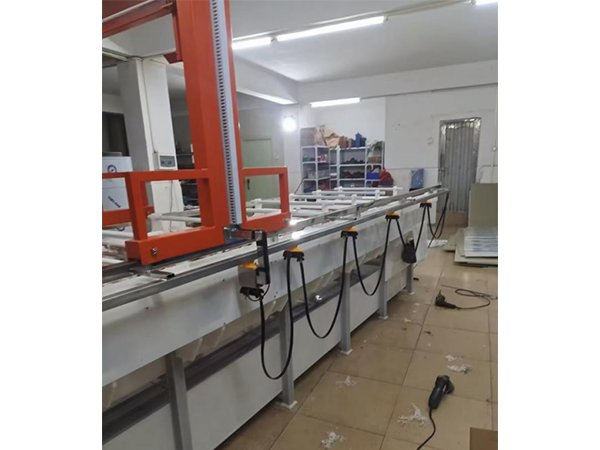
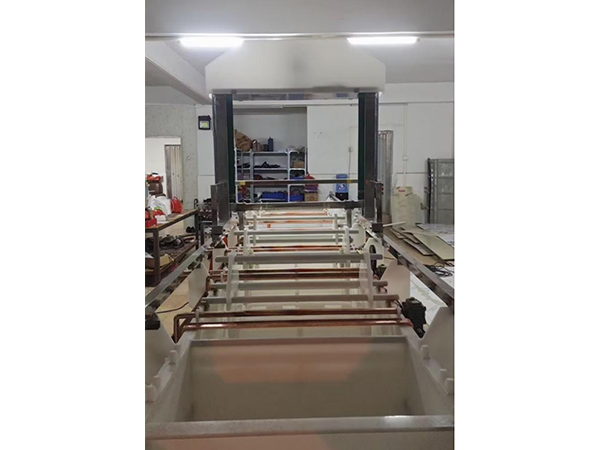
Fully automatic zinc plating equipment is an advanced electroplating system designed for large-scale metal surface treatment. By using electrochemical reactions, the system deposits a protective zinc layer on metal parts to improve corrosion resistance, durability, and product value.
Automatic zinc plating systems are widely used in industries such as fasteners, hardware manufacturing, automotive components, electronic connectors, and metal processing.
A modern zinc electroplating production line integrates multiple functional modules, including pretreatment tanks, plating tanks, auxiliary systems, post-treatment processes, and environmental protection systems, enabling stable and efficient plating operations.
With the adoption of PLC control systems, high-frequency rectifiers, and intelligent monitoring, fully automatic plating equipment can achieve precise process control, higher productivity, and improved plating quality.
1. Core Structure and Functions
A fully automatic zinc plating machine typically consists of several major systems that work together to ensure consistent plating quality and production efficiency.
Barrel System
The barrel plating system is usually designed in horizontal or inclined structures, with barrels made of PP, PVC, or stainless steel mesh materials. Conductive plates are installed inside the barrel to ensure stable electrical conduction.
A motor with a reduction gearbox drives the barrel rotation, typically operating at 5–20 rpm, allowing small parts to tumble continuously without stacking. This ensures uniform exposure to the plating solution and consistent coating thickness. The barrel also includes feeding and discharge openings for convenient material handling.
Plating Tanks and Solution Control
The plating line includes several tanks such as:
Plating tanks
Acid pickling tanks
Activation tanks
Rinsing tanks
Drying tanks
These tanks are typically made from PP or PVC corrosion-resistant materials.
To maintain stable plating conditions, the system integrates:
Titanium heating units
Air or mechanical agitation systems
Precision filtration systems
Additionally, advanced monitoring systems control temperature, pH levels, and solution density, ensuring stable electroplating performance and consistent coating quality.
Power Supply and Electrical Control
The electroplating system uses high-frequency switching rectifiers with low ripple output, providing stable electrical current during the plating process.
A PLC control system with a touchscreen interface allows operators to precisely control parameters such as:
Current and voltage
Plating time
Barrel rotation speed
Automatic solution replenishment
Temperature control
Alarm and safety systems
This intelligent control system significantly improves automation and production stability.
Auxiliary Systems
Several auxiliary systems are also integrated into modern plating equipment to improve efficiency and environmental performance.
These include:
Rinse water recovery systems to reduce precious metal loss and wastewater discharge
Exhaust gas treatment systems for acid mist or chemical fumes
Rectification and filtration systems for stable electrical output
Conductive slip rings or mercury conduction devices to ensure continuous electrical contact
2. Common Types and Applications
Different plating configurations are used depending on the production scale and workpiece characteristics.
Horizontal Barrel Plating (Mainstream for Mass Production)
Hexagonal or cylindrical barrels are commonly used for plating electronic connectors, small hardware parts, and fasteners.
Inclined or Micro Barrel Plating
Suitable for small-batch production, laboratory testing, or precision parts, such as micro terminals or jewelry components.
Fully Automatic Gantry Barrel Plating Line
This system integrates multiple plating tanks with automatic loading and unloading, making it suitable for large-scale continuous production lines.
Vibratory Barrel Plating
Combines low-speed rotation with vibration, making it ideal for ultra-thin or delicate parts that require smoother and more refined plating surfaces.
3. Working Principle
In a barrel plating system, small workpieces inside the rotating barrel act as the cathode in the electroplating process.
When the plating bath containing zinc electrolyte is energized, the anode (zinc plate or insoluble anode) releases metal ions into the solution. These ions are reduced and deposited onto the surface of the workpieces, forming a protective zinc coating.
The continuous rotation of the barrel ensures that all surfaces of the parts are evenly exposed to the electrolyte, preventing dead angles and uneven plating.
4. Key Selection and Process Considerations
When selecting or operating zinc plating equipment, several important factors must be considered.
Plating Solution Control
Common plating electrolytes include cyanide zinc solutions or cyanide-free zinc salts. Parameters such as pH, temperature, zinc concentration, and additives must be carefully controlled to maintain plating quality.
Electrical Conductivity
Proper conductive contact must be maintained throughout the process to prevent missed plating areas or uneven coating.
Rotation Speed and Loading Capacity
Overloading the barrel can lead to uneven plating thickness or surface scratches, so the rotation speed and load capacity must be carefully matched.
Environmental and Safety Requirements
Modern plating plants must implement precious metal recovery systems, wastewater treatment, and proper ventilation systems to ensure safe and environmentally compliant operations.
Coating Quality Inspection
Common quality testing methods include:
Coating thickness measurement
Salt spray corrosion testing
Adhesion testing
Color consistency inspection
These tests ensure that the plated parts meet industrial performance standards.
Keywords:
fully automatic zinc plating equipment, zinc electroplating machine, automatic plating line, electroplating equipment, barrel plating machine, plating production line