

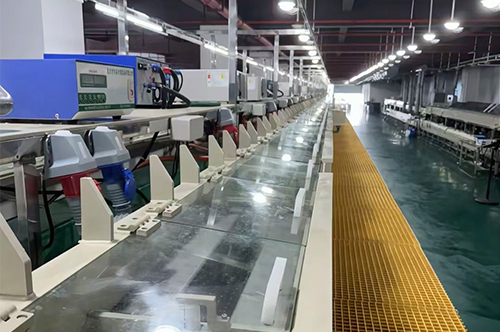
With the vigorous development of aluminum product processing industry, aluminum anodizing has become an indispensable key production step in aluminum fabrication.
Color difference in electrolytic coloring of aluminum profiles is directly related to the coloring mechanism, uniformity and structure of anodic oxide film, as well as electrolytic coloring rate. The main process sequence of aluminum profile anodizing equipment includes pre-treatment, anodizing, coloring, post-treatment and sealing.
Common coloring defects of aluminum profiles are as follows: pale color, color difference, poor color uptake, white spots, uncovered white areas, mottled coloring and color bleeding.
To solve these problems, aluminum anodizing plants shall conduct research and take preventive measures during electrolytic coloring surface treatment of aluminum profiles. To achieve uniform and stable coloring, keep color difference within acceptable limits and reduce coloring defects, manufacturers shall strengthen the control of anodizing operations in mass production and comply with the following requirements:
1.When aluminum profiles after anodizing enter the coloring bath, they must be placed at a relatively large inclination angle and positioned between the two electrodes to ensure equal electrode distance on both sides. Meanwhile, adjust the contact area of racking and clamping.
2.The operating voltage must remain consistent for the same color; adjust the power supply voltage in advance before coloring.
3.Upon completion of coloring, lift the workpiece immediately to allow rapid draining of bath solution and quickly transfer it to the rinsing tank. Do not leave the workpiece staying in the coloring bath. Strictly control the overhead lifting time. Fully rinse sulfuric acid solution trapped in inner holes of aluminum profiles before color comparison against standard color panels. During color matching, control the workpiece color to be slightly darker than the sample. If the color is too light, re-immerse the workpiece into the coloring bath and switch on power for supplementary coloring. If the color is too dark, put the workpiece into the coloring bath (without power supply) or the acid rinsing tank after the anodizing tank for fading.
4.Perform coloring immediately after anodizing. Use electrolytic coloring power supply for workpiece coloring. If the workpiece is exposed to air for too long after anodizing, the pores of oxide film will shrink and contaminants may adhere to the surface, resulting in poor coloring performance.