

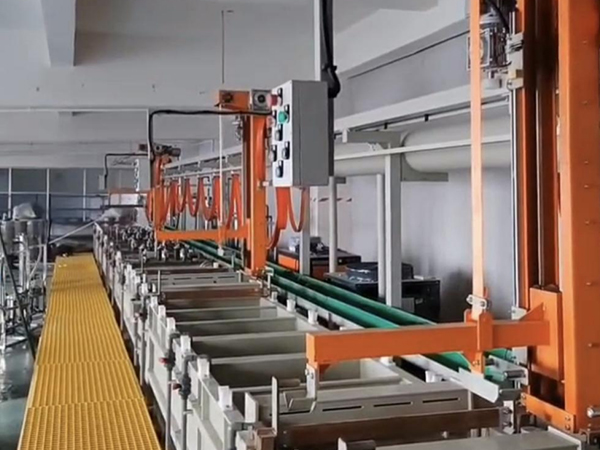
Plating line are high-risk special operation lines. The production process involves multiple hazard factors including electrical equipment, mechanical transmission devices, corrosive chemicals, and high-temperature & high-humidity environments. Numerous hidden safety hazards exist during routine operation, which may easily trigger equipment failures, personal injuries, fires, explosions and production shutdowns. Therefore, systematically sorting out various safety hazards and implementing targeted control measures is critical to guarantee stable, safe and compliant operation of plating lines.
I. Major Safety Hazards of Plating Lines
(1) Electrical Safety Hazards
Electroplating workshops operate under harsh conditions with high temperature, high humidity and pervasive acid-base mist. Electrical equipment and wiring are prone to moisture ingress, corrosion and aging. Common faults during daily operation include worn cables, damaged insulation, poor contact of plugs and sockets, electric leakage and short circuits. These faults not only cause equipment stoppage and production interruption, but also easily result in electric shock accidents and electrical fires, posing severe threats to operators and production safety.
(2) Mechanical Safety Hazards
Plating lines are equipped with various mechanical equipment such as overhead cranes, barrels, transmission chains and conveying rails. Long-term continuous operation may lead to loosening, wear, jamming and misalignment of transmission components. Inadequate equipment maintenance may cause machine stalling, component falling-off, mechanical pinching injuries and equipment damage, directly endangering the personal safety of on-site operators.
(3) Chemical Leakage Hazards
Electroplating production consumes large quantities of corrosive and hazardous chemicals including acids, alkalis, salts and various electroplating additives. Long-term service of chemical storage tanks, delivery pipelines and plating baths may lead to breakage and seepage, resulting in chemical leakage. Leaked corrosive liquids can burn operators’ skin and corrode production equipment and workshop floors. In addition, mixing of certain chemicals may generate toxic gas and even cause combustion or explosion with extremely high risks.
(4) Fire and Explosion Hazards
Some chemicals used in electroplating are flammable and explosive. Meanwhile, electrical short circuits, circuit overload, equipment overheating and accumulation of volatile chemical vapors may induce fire and explosion incidents. Workshops store abundant flammable substances such as chemicals and oils. Once ignited, flames spread rapidly and may lead to serious safety accidents and property losses.
II. Targeted Safety Preventive Measures
(1) Strengthen Periodic Inspection and Maintenance of Equipment
Establish a regular maintenance system for electroplating equipment, and conduct comprehensive inspection and maintenance for the whole line regularly to maintain equipment in good working condition. For electrical equipment, focus on checking the integrity of wires, plugs, switches and distribution boxes. Timely replace aged, damaged and insulation-failed wiring components to eliminate short circuits, electric leakage and poor contact at the source. For mechanical equipment, regularly fasten and inspect key components such as transmission chains, bearings and rails, replace worn parts and clear debris on equipment to prevent mechanical jamming and component detachment, so as to avoid mechanical injuries and equipment damage.
(2) Strictly Standardize Full-process Chemical Management
Improve the full-process management system covering chemical storage, requisition, usage and recycling, and strictly comply with hazardous chemical operation specifications. Regularly inspect the tightness of chemical storage tanks, containers and delivery pipelines, and promptly repair broken and leaking points. Operators shall wear anti-corrosion work clothes, protective gloves, goggles and other PPE properly during operation to prevent direct contact between chemicals and human bodies. In case of chemical leakage, stop operation immediately, clean spilled materials, flush contaminated areas, investigate the root cause of leakage and carry out thorough rectification to prevent secondary safety accidents.
(3) Implement Special Prevention and Control Measures for Fires and Explosions
Carry out regular inspections for fire and explosion hazards, strictly standardize the installation and usage of electrical equipment, and prohibit circuit overload and irregular electricity use. Equip the whole workshop with sufficient fire extinguishers, fire hydrants, fire sand, fire alarms and other fire-fighting and monitoring devices, and inspect and calibrate them regularly to ensure availability. Reasonably partition storage areas for flammable and explosive chemicals, store them separately by category and keep away from heat sources, power supplies and fire sources. Meanwhile, standardize the operation of workshop ventilation systems to timely discharge volatile toxic and flammable gas and avoid gas accumulation that may trigger safety accidents.
(4) Enhance Safety Education and Practical Training for Employees
Organize regular work safety training for all staff, popularize professional knowledge such as electroplating operation safety specifications, hazard identification methods and emergency response procedures, and strengthen the safety responsibility awareness of all employees. Focus on emergency drills for sudden accidents such as electric shock, chemical burns, fires and leakages, improve employees’ capabilities of hazard identification, self-protection and emergency disposal, standardize job operation procedures, eliminate illegal operations and risky behaviors, and minimize human-induced accidents.
III. Conclusion
In summary, plating lines face multiple safety hazards such as electrical failures, mechanical injuries, chemical leakage, fires and explosions during operation, featuring high management difficulty and risk level. To ensure safe and stable operation of the production line, a regular and standardized safety management system must be established. Comprehensive measures including periodic equipment maintenance, standardized chemical management, enhanced fire and explosion prevention and in-depth staff safety training shall be adopted to inspect and rectify safety hazards in an all-round manner, effectively prevent various safety accidents, and reliably protect operators’ personal safety, equipment integrity and orderly production.