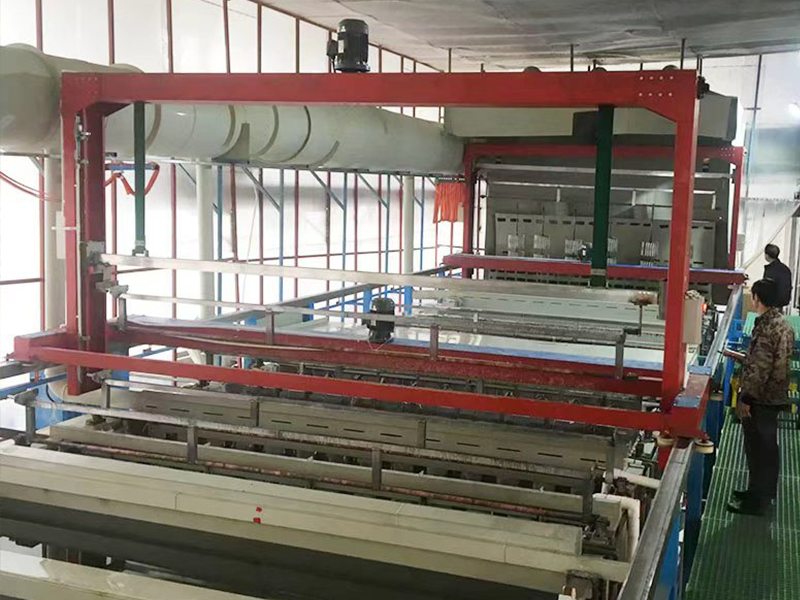
Electroplating equipment is a type of device widely used for the surface treatment of various materials. Based on electrochemical principles, it forms a layer of metal or alloy coating on the surface of materials, thereby improving their appearance, corrosion resistance, electrical conductivity, wear resistance and other properties. Below, we will explore in detail which materials are suitable for surface treatment with electroplating equipment, with the content expanded to around 1000 words as much as possible.
First of all, electroplating equipment is extensively applied in the surface treatment of metal materials. Common metal materials such as iron, copper, aluminum, zinc, nickel, chromium and so on can all undergo surface treatment via electroplating equipment. For instance, after electroplating, iron products can be covered with a dense metal coating, which effectively prevents iron from rusting and extends its service life. Electroplating not only enhances the corrosion resistance of aluminum products but also endows them with unique decorative effects. In addition, for some metal materials that require specific electrical properties, electroplating equipment can deposit a metal layer with excellent electrical conductivity on their surfaces to meet the electrical performance requirements.
In addition to metal materials, electroplating equipment also has certain applications in the surface treatment of non-metallic materials. Although non-metallic materials themselves are non-conductive, their surfaces can be made conductive through special processes before electroplating. For example, the surfaces of some plastic products can be coated with a conductive layer through pre-treatment processes, and then electroplated, so that the plastic products can possess the appearance and properties of metals. Besides, some inorganic non-metallic materials such as glass and ceramics can also be electroplated in a similar way to improve their surface properties.
The application of electroplating equipment in material surface treatment is also reflected in the processing of composite materials. Composite materials are new-type materials with enhanced performance, which are composed of two or more different materials combined through physical or chemical methods. Electroplating equipment can apply coating treatment to the surface of composite materials to improve their overall performance. For example, after electroplating, carbon fiber composite materials can have enhanced electrical conductivity and corrosion resistance, which broadens their application fields.
In conclusion, electroplating equipment has a wide range of applications in the surface treatment of metal materials, non-metallic materials and composite materials. With the continuous development of electroplating technology, the adaptability of electroplating equipment to various materials is also constantly improving, providing strong technical support for the surface modification and performance enhancement of various materials in different industries such as machinery manufacturing, electronics, aerospace, and daily necessities. Whether it is to improve the corrosion resistance of metal workpieces, endow non-metallic products with a metallic luster, or optimize the comprehensive properties of composite materials, electroplating equipment plays an irreplaceable role, which is of great significance for promoting the development of related industries and improving the quality and competitiveness of products.