

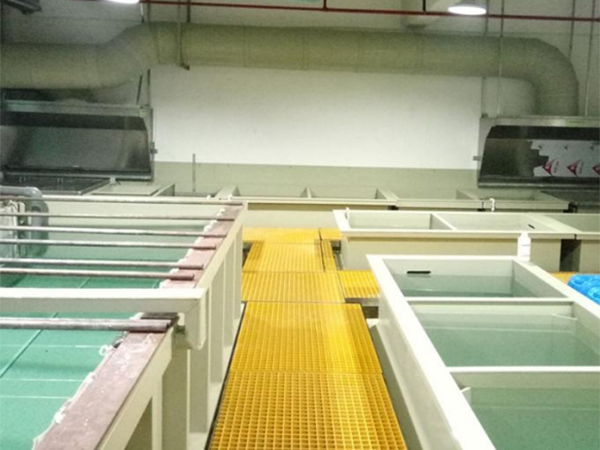
Aluminum and its alloys are suitable materials for processing with anodizing equipment. When selecting materials, factors such as hardness, corrosion resistance, electrical conductivity and surface condition shall be taken into account. The use of high-quality materials ensures the quality and appearance of workpieces.
1. Pre-treatment Process
The surface of aluminum alloy must be thoroughly cleaned to remove oil and rust, ensuring no impurities remain on the surface; otherwise, defects will occur in the anodic oxide film. Sufficient water rinsing shall be carried out after degreasing to prevent residual degreaser from affecting the subsequent anodizing process.
2. Bath Solution Control
Strictly control the concentration of sulfuric acid bath solution (generally 18%–22%), temperature (usually 18–22℃) and component ratio. Exceeding the standard range will directly affect the quality of the oxide film. Regularly analyze the bath composition, replenish consumed effective components in a timely manner, and remove accumulated impurities in the tank.
3. Setting of Operating Parameters
Reasonably set the current density (generally 1–1.5 A/dm²) and anodizing time. The oxidation duration shall be adjusted according to the target film thickness. Excessively high current or overly long oxidation time will cause burning and powdering of the coating. Meanwhile, ensure stable voltage to avoid excessive voltage fluctuations that impair the uniformity of the film layer.
4. Standard Use of Fixtures
Fixtures must maintain good contact with workpieces to ensure stable electrical conductivity. The fixture material shall comply with process requirements to avoid bath contamination. Regular cleaning and replacement of fixtures are required to prevent degraded conductivity from affecting anodizing quality.
5. Post-treatment Process
Sealing treatment shall be carried out promptly after anodizing to improve the corrosion resistance and wear resistance of the oxide film. The sealing time and temperature shall be strictly controlled in accordance with process requirements. Sufficient water rinsing shall be performed to prevent residual bath solution from corroding the formed oxide film.