

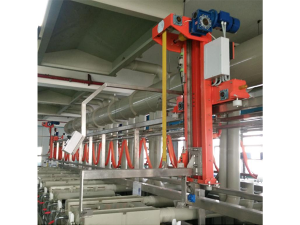
Electroplating equipment (or more precisely, the workpieces to be plated) must undergo degreasing because oil, grease and other organic contaminants severely interfere with the electroplating process and compromise the quality of the plating layer. The main reasons are as follows:
1. Necessity of Degreasing
Ensure strong adhesion of the plating layerOil stains form an isolating film on the workpiece surface, preventing direct contact between the plating solution and the metal substrate. This reduces the bonding strength of the coating, resulting in pitting or mottling in mild cases, and large-area peeling in severe cases.
Guarantee uniformity and integrity of the plating layerMetal cannot deposit normally on oil-contaminated areas, causing discontinuous, locally missing or porous coatings, which impair both appearance and functional performance.
Prevent contamination of the electroplating bathOil carried by workpieces contaminates the plating bath, lowers bath stability, shortens its service life and increases production costs.
Improve corrosion resistancePorosity or poor bonding caused by oil contamination significantly weakens the corrosion resistance of the plated workpiece.
2. Main Sources of Oil Contamination
Antirust grease: Coating applied to metals during storage and transportation.
Processing lubricants: Cutting fluids, lubricating oils, polishing pastes and others used in turning, milling, stamping, grinding and other machining processes.
Operational contamination: Organic substances introduced by hand sweat, sebum, tool contact, etc.
Mold release agent residue: Release agents used in die-casting or injection molding, especially common on plastic electroplated parts.
3. Consequences of Incomplete Degreasing
Coating defects such as blistering, peeling, mottling, dull spots and discoloration.
Poor coating adhesion and drastically reduced corrosion resistance.
Contamination of the entire plating bath, which may lead to premature disposal.